Cotton vs Polyester vs Blended Canvas: What B2B Buyers Need to Know
The fiber composition of your canvas directly impacts cost, durability, printability and end-user satisfaction. This comprehensive comparison helps manufacturers and importers choose between 100% cotton, polyester, T/C and CVC canvas for their specific products.
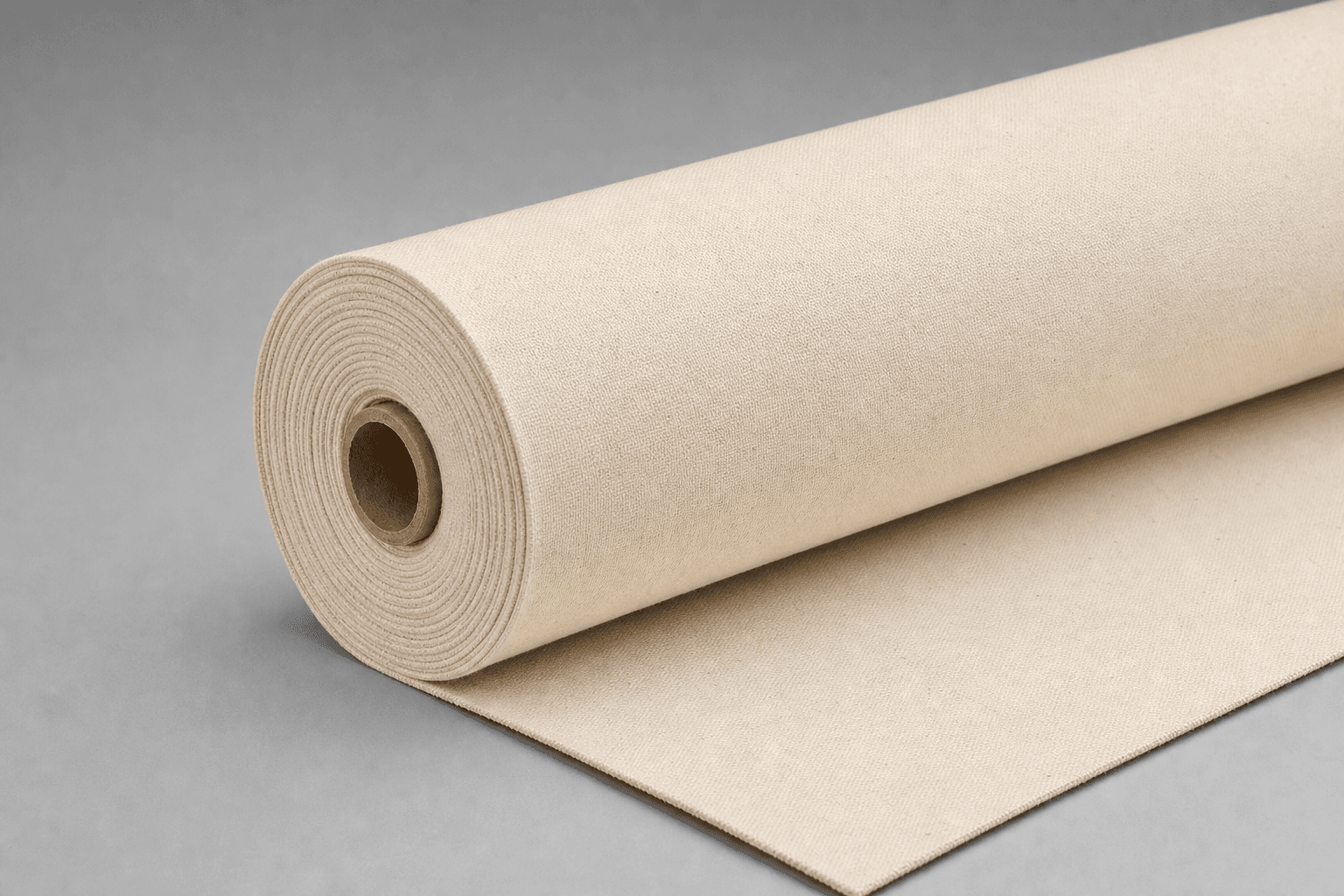
One of the first decisions every canvas buyer faces: pure cotton, pure polyester, or a blend? The answer affects everything — your product's look, feel, durability, cost, and even your shipping logistics. This guide compares the four main canvas fiber categories from a B2B procurement perspective.
100% Cotton Canvas: The Premium Choice
Cotton canvas is the traditional standard. Its natural fiber structure creates a fabric that breathes, takes dye beautifully, and develops character with age. For premium bags, artisan products, and applications where touch and appearance are paramount, nothing beats 100% cotton. However, buyers should account for cotton's inherent characteristics: it shrinks (typically 3-8% without pre-shrinking treatment), wrinkles more readily than synthetics, and typically costs 15-30% more than equivalent polyester blends. For B2B orders, always specify whether pre-shrunk finish is required — this adds cost but eliminates downstream quality issues.
100% Polyester Canvas: Performance First
Polyester canvas is the workhorse of outdoor and industrial applications. It offers zero shrinkage, excellent UV resistance, superior tear strength, and complete water resistance when coated. Modern DTY (Draw Textured Yarn) polyester canvas has a much softer hand feel than older types, approaching the touch of cotton. The key advantage for B2B buyers: consistency. Polyester canvas behaves predictably in every production run, with minimal variance in shrinkage, color fastness, or tensile strength. It's the preferred choice for outdoor furniture, awnings, marine covers, and any product exposed to the elements.
T/C Canvas (65/35 Poly-Cotton): The Industry Standard
T/C canvas — typically 65% polyester and 35% cotton — is the most widely ordered canvas type globally. Why? It offers the best of both worlds at a competitive price point. The polyester provides strength, wrinkle resistance and dimensional stability. The cotton portion adds breathability, dye affinity and a more natural hand feel. For workwear, uniforms, school bags and promotional products, T/C is almost always the correct answer. At Shijiazhuang Mainland, T/C canvas accounts for roughly 45% of our total production volume.
CVC Canvas (Chief Value Cotton): The Premium Blend
CVC reverses the T/C ratio — typically 60-80% cotton with 20-40% polyester. Think of it as cotton canvas with a performance upgrade. The high cotton content preserves the natural look and feel that premium brands demand, while the small polyester fraction significantly improves strength and reduces shrinkage. CVC is growing rapidly in popularity, particularly among fashion brands and premium bag makers who want natural aesthetics without the full maintenance drawbacks of 100% cotton.
Head-to-Head Comparison for B2B Buyers
| Property | 100% Cotton | T/C (65/35) | CVC (60/40+) | 100% Polyester |
|---|---|---|---|---|
| Hand Feel | Excellent | Good | Very Good | Fair-Good |
| Strength | Good | Very Good | Good-Very Good | Excellent |
| Shrinkage | 3-8% | <2% | 2-4% | <1% |
| Dye Affinity | Excellent | Good | Very Good | Fair |
| UV Resistance | Fair | Good | Fair-Good | Excellent |
| Price (relative) | High | Medium | Medium-High | Low-Medium |
| Best For | Premium bags, art canvas, home décor | Workwear, promotional, school bags | Fashion bags, corporate gifts, apparel | Outdoor, marine, industrial |
The B2B Procurement Checklist
Before placing your canvas order, confirm: the exact blend ratio (e.g., T/C 65/35 vs 80/20 — they perform differently), whether pre-shrinking or any special finishing is required, your target GSM tolerance (±5gsm is standard; tighter tolerances are possible), and certification requirements (OEKO-TEX, GOTS, BCI). For custom dyed fabrics, always request a lab dip for color approval before production begins. At Shijiazhuang Mainland, we provide lab dips within 5-7 business days with no upfront cost for qualified buyers.